Lead the visiting team
I led our six-person team through a field collaboration shaped by our hosts’ knowledge of the place and the partnership.
Case / Partnership in place
A place-based collaboration grounded in Hawaiian Knowledge Systems, astronomy, and the responsibility of making something together.
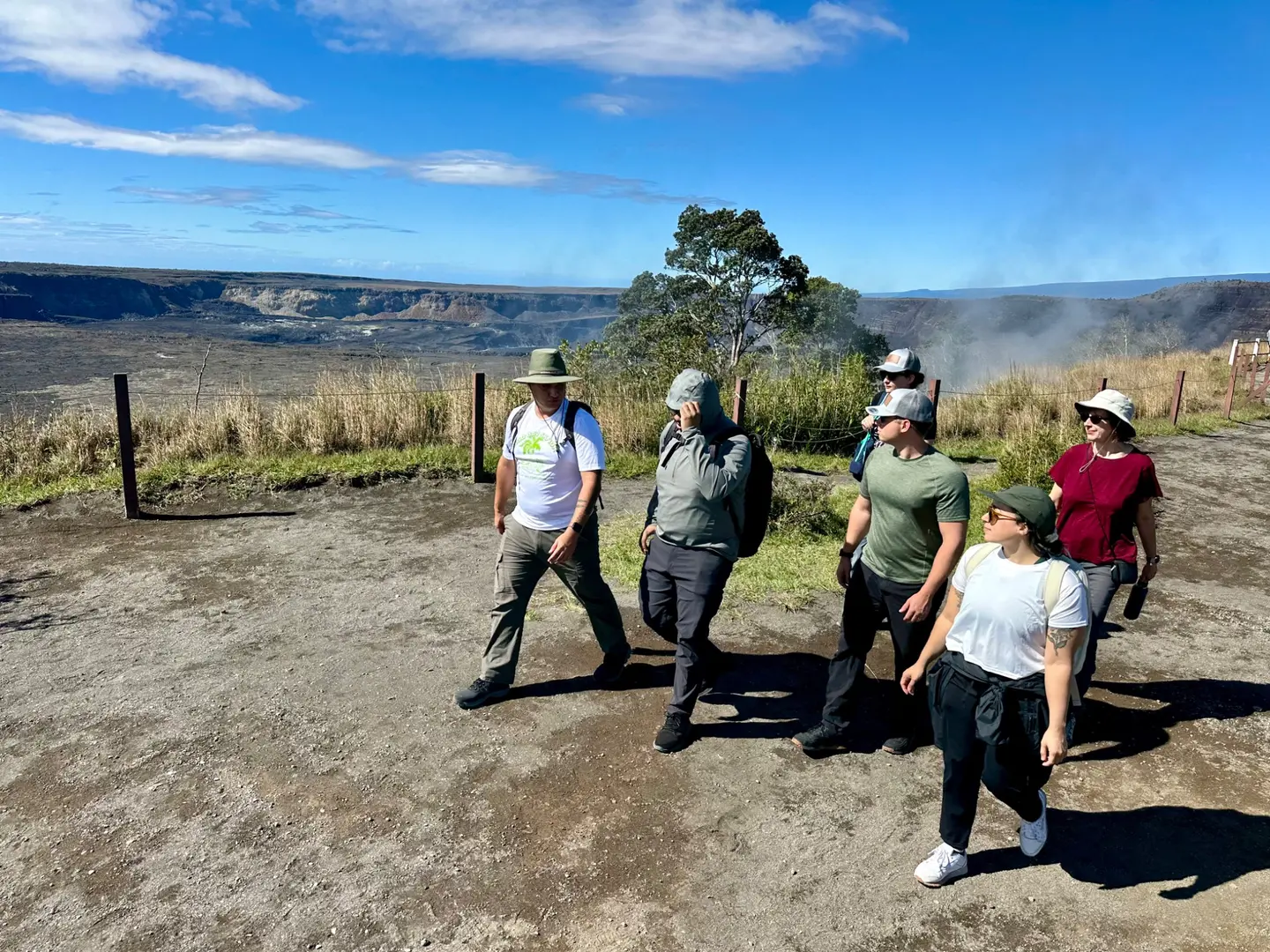
Our visit strengthened an existing relationship between the Space Telescope Science Institute, NASA’s Universe of Learning, and ʻImiloa.
The purpose was not simply to collect material for a science story. It was to deepen our understanding of our partners’ work and consider what we could responsibly co-create.
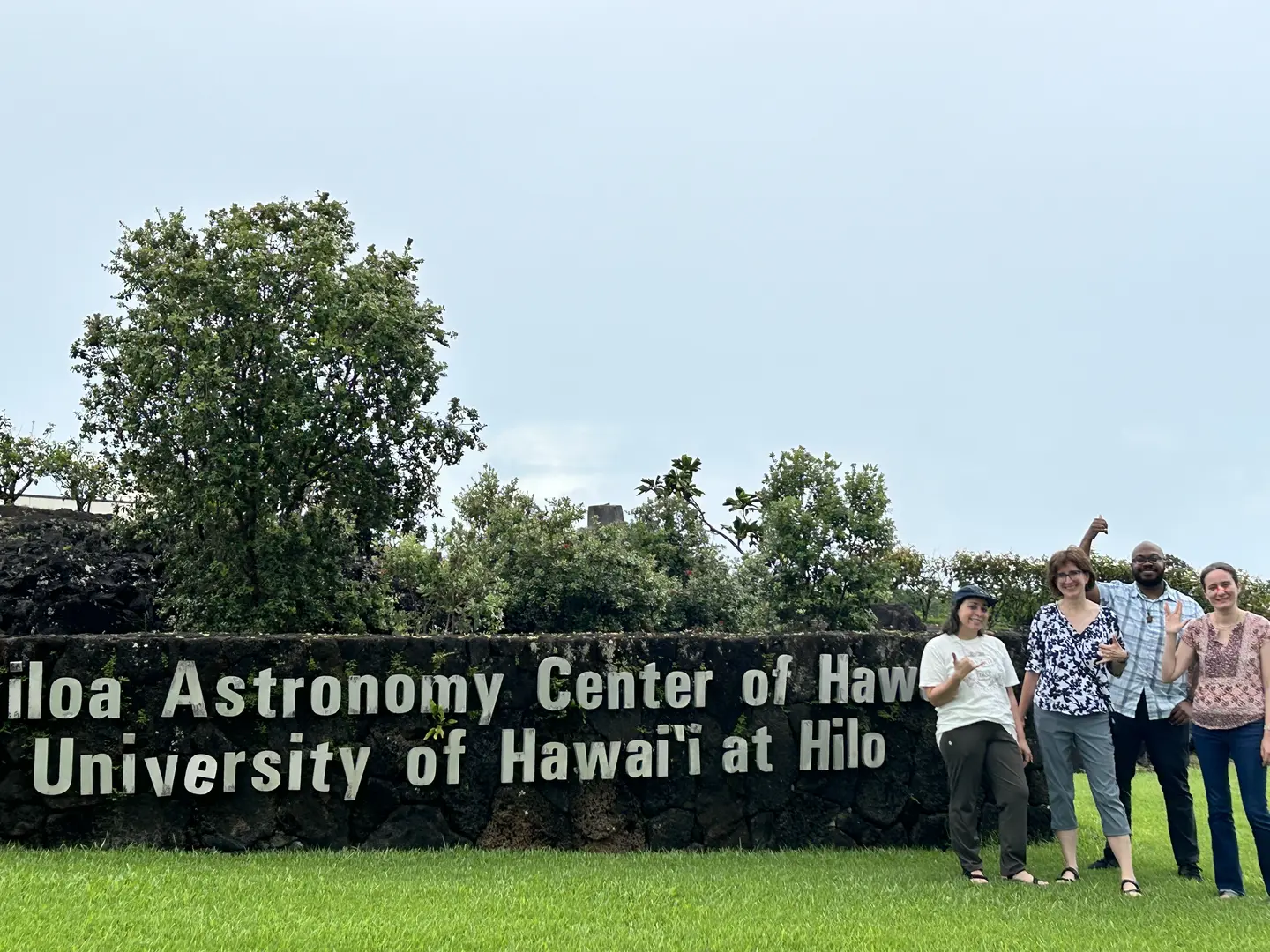
At ʻImiloa, conversations with Kaʻiu Kimura and the team, time in the exhibits, and the planetarium’s One Sky Project opened a wider view of the partnership. Astronomy was present alongside language, genealogy, land, and community.
One distinction became especially important in my reflection: Hawaiian Knowledge Systems, rather than “culture” as an added layer of interpretation. The knowledge did not originate with our visiting team. Our responsibility was to listen, ask careful questions, and let what we learned shape the collaboration.
My role was not simply getting six people to the same place. It was helping translate a week of shared learning into decisions, language, and next steps our institutions could actually carry.
I led our six-person team through a field collaboration shaped by our hosts’ knowledge of the place and the partnership.
I documented the visit’s themes and practical implications in a detailed reflection for leadership.
The wrap-up brought priorities, next steps, partner roles, and continuity into the same discussion.
Leading the project did not make me the author of the cultural knowledge, scientific contributions, or media work our collaborators shared.
03 / System
The week worked as a sequence of relationships and responsibilities, not a content-gathering itinerary.
Introductions and time at ʻImiloa established relationships and helped us understand the center’s approach to learning.
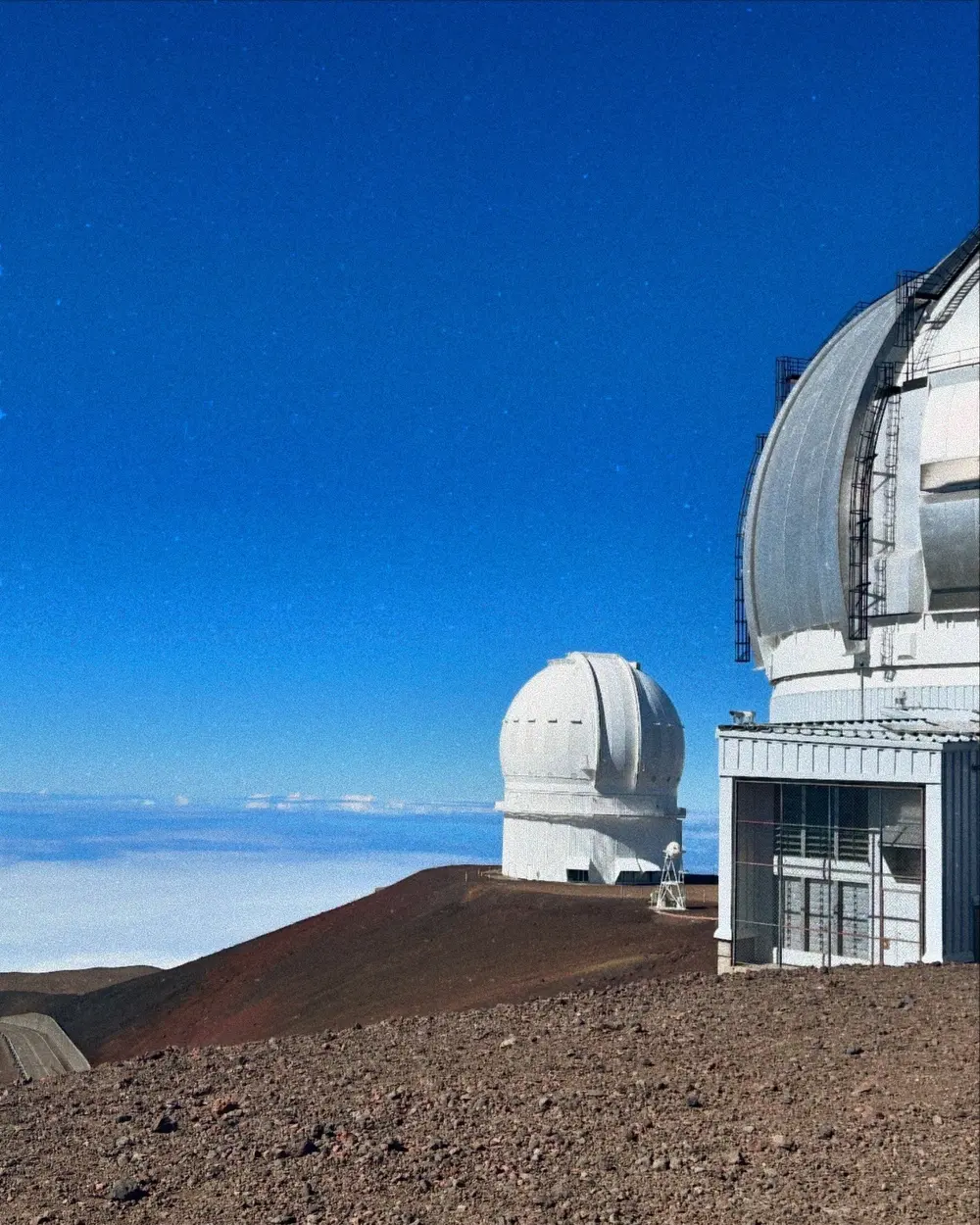
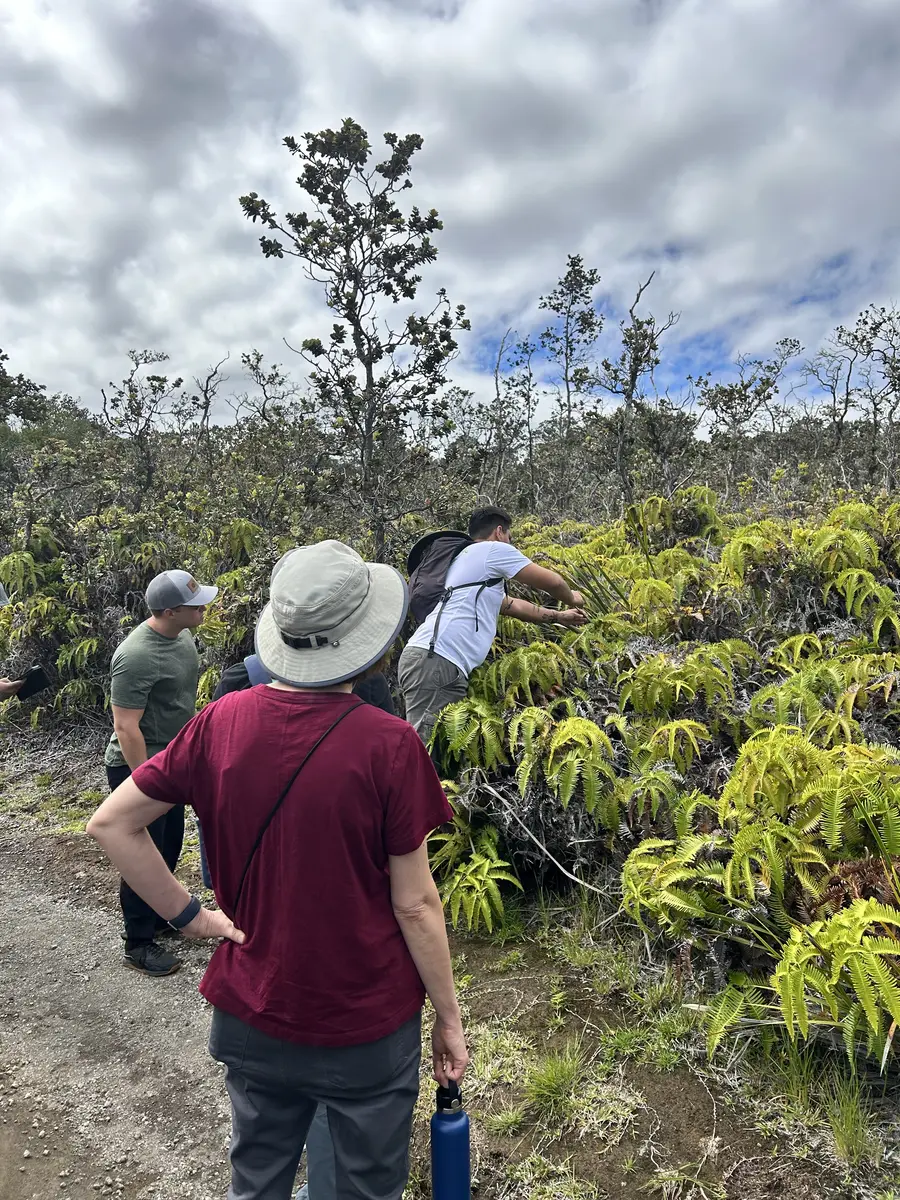
At Puʻu Huluhulu and Maunakea, conversations turned to the responsibilities of observatories and scientists, and the significance of place.
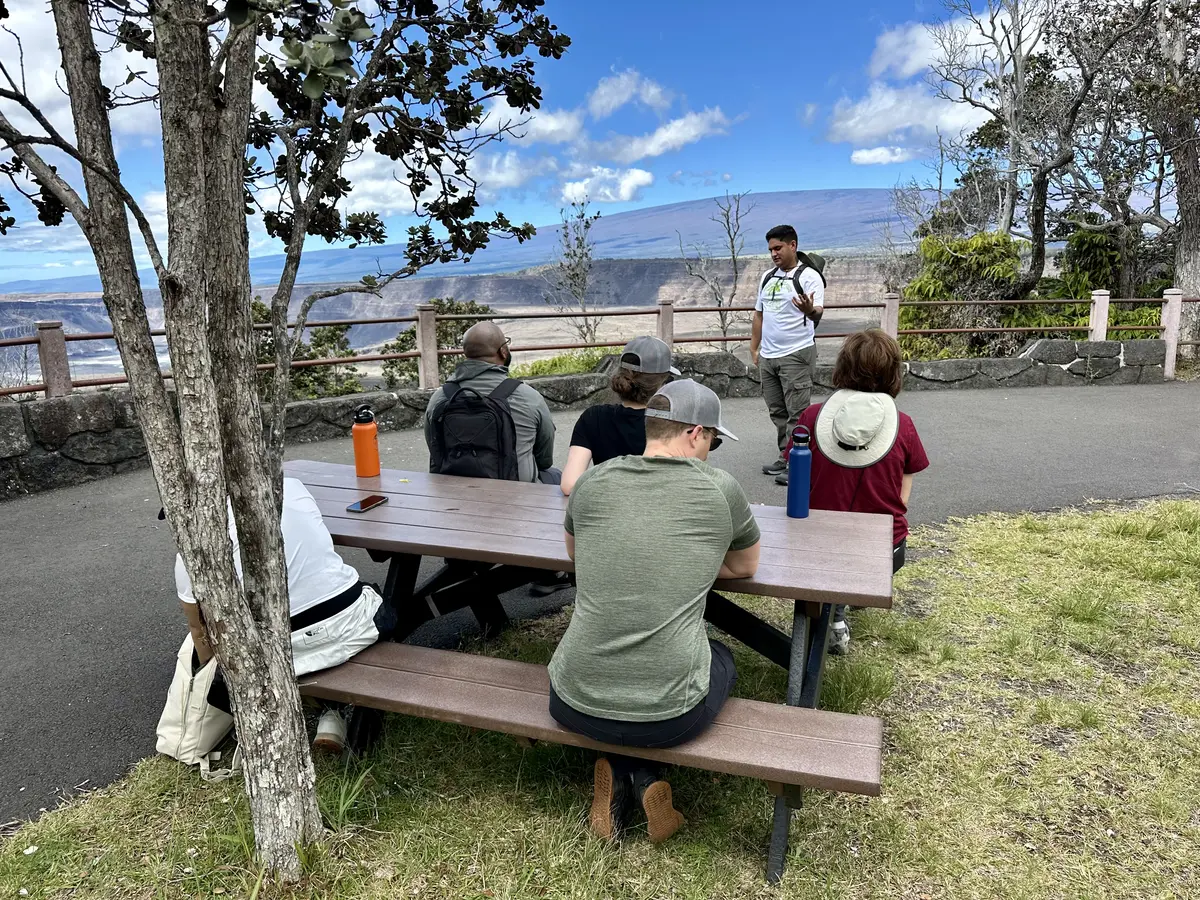
Time at Hawaiʻi Volcanoes National Park brought genealogy and love of the land into our learning. The landscape was not a backdrop.
The final days brought us back to the table: sharing work, receiving feedback, and discussing a path forward together.
04 / Evidence
The documentary record matters here because the project’s meaning lives in place, conversation, observation, and relationship before it lives in a deliverable.
The video places passages from the Kumulipo in conversation with an astronomical account of the early universe, stars, and galaxies.
The film is a shared outcome. The partnership behind it is the larger story: the conversations and responsibilities that shaped what we could make together.
The collaboration sharpened distinctions around knowledge systems, authority, and how institutions describe what they encounter.
The team carried practical implications into discussions of collaborative media, youth engagement, feedback, and continuity.
The most important answer was not always mine to provide; sometimes the work was holding space for what the team needed to carry forward.
06 / What travels forward
A partnership has to change how you work.
A finished resource matters, but so do the questions behind it: whose knowledge is shaping the work, who has room to respond, and what decisions change because of the collaboration?
Next: partnership as network infrastructure →