Personal / 00
I care about what institutions make possible, and what people have to navigate to reach it.
I’m an education strategist, program leader, and writer. For more than eleven years, I have worked across science, education, arts and culture, and higher education, turning ambitious public-facing ideas into programs, partnerships, and systems people can actually use.
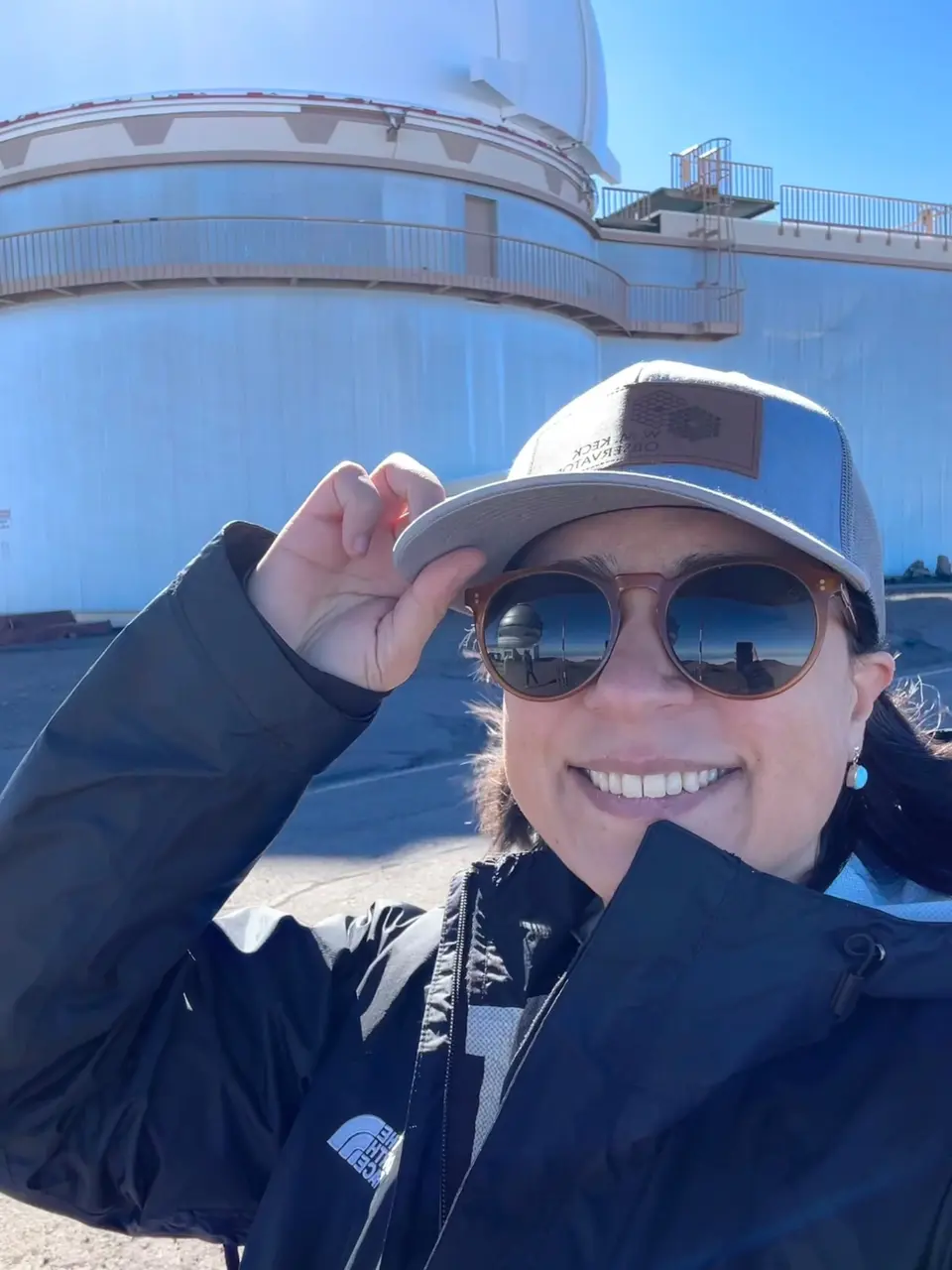
The work began before I had language for the systems underneath it.
I am Puerto Rican, first-generation, and from Bethlehem, Pennsylvania. My own route through learning taught me early that access and progress are not the same thing.
Beginning in fourth grade, Lehigh University’s STAR program widened my map through sustained learning, community, and adults who treated curiosity as something worth cultivating. My route through higher education later began at Northampton Community College, where I studied from 2009 to 2011 before transferring to the University of Pittsburgh. I continued through Georgetown and, years later, Harvard.
Long before I had language for articulation, transfer ecosystems, institutional recognition, or student persistence, I knew what it meant to move between institutions and trust that the learning, effort, and momentum I had already built would carry forward.
Curiosity widened by sustained community, mentorship, and access to learning beyond the classroom.
The learner-side experience of transfer, recognition, continuity, and trusting one institution to honor another.
Education became public practice: interpretation, docent learning, exhibitions, communities, budgets, and institutional follow-through.
National networks, mission learning, partner strategy, public engagement, and cross-functional work at larger scale.
A return to the same questions with new tools: authority, recognition, pathways, leadership, institutional trust, and what makes progress durable.
I learned to see the infrastructure around the experience.
Museums taught me that the quality of a public experience depends on what happens long before anyone enters the room.
Preparation, trust, budgets, training, and follow-through are not separate from the learning. They are part of the operating system that makes it possible.
That lesson still guides my work at the Space Telescope Science Institute. Across NASA missions, I connect scientists, educators, designers, evaluators, and community partners. I lead program planning, funding cycles, partner strategy, implementation support, and evaluation for the Informal Learning Network, alongside work on digital interpretation and national community engagement.
One collaboration I am especially proud of took our team to Hawaiʻi to learn and work with ʻImiloa Astronomy Center. I led a six-person visiting team, but our hosts shaped how we understood the place and the knowledge we were there to encounter. The partnership and the video that grew from it remind me that listening is not preparation for the real work. It is part of it.
At Harvard, I returned to many of the questions I had first encountered as a learner and later as an educator: who makes decisions, what gets recognized, how resources move, where transfer and prior learning lose force, and whether an institution can keep the promises it makes to learners. My higher-education research asks how those choices shape someone’s actual possibilities, not only their experience of a single program.
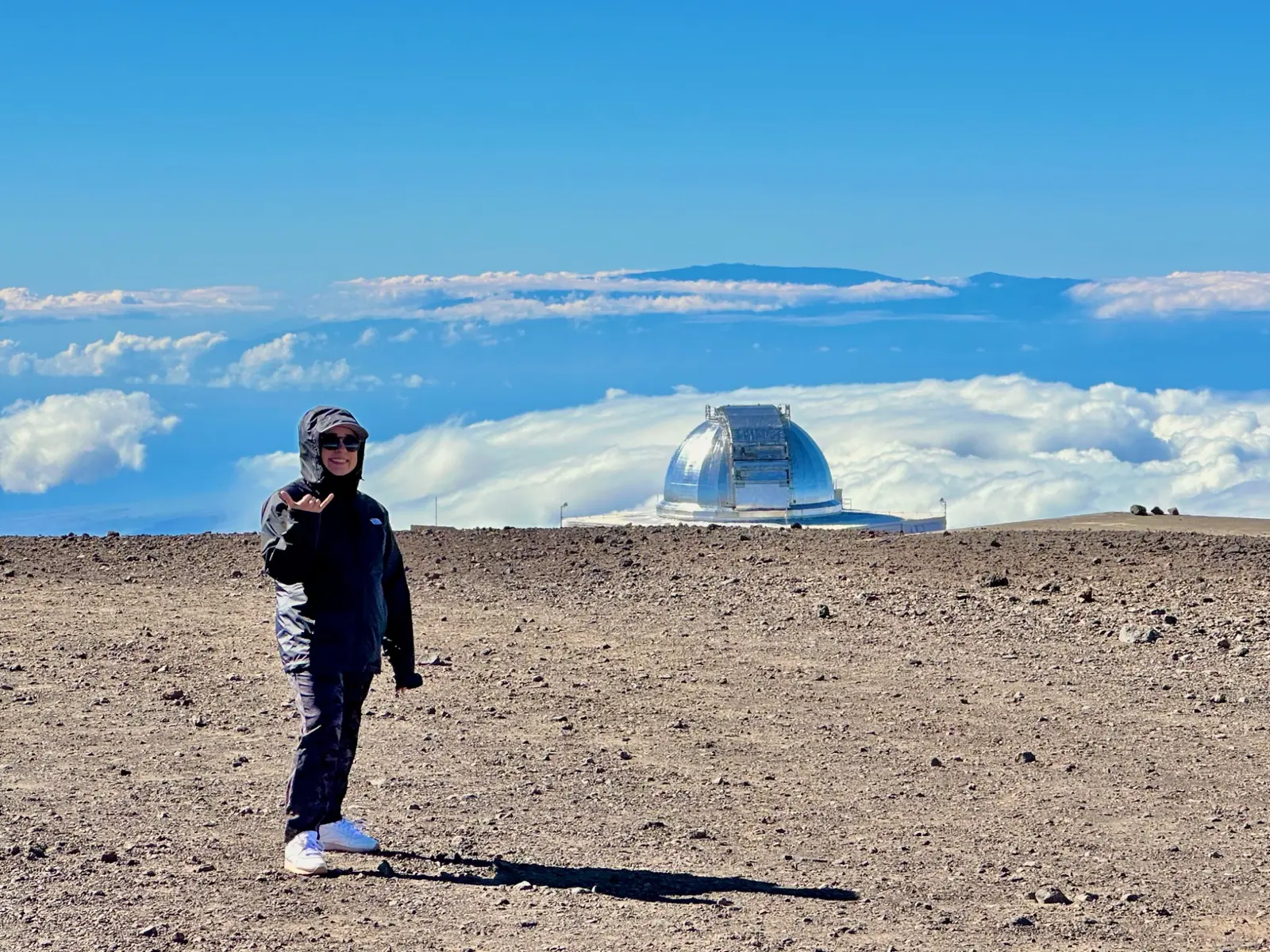
A wider frame can change what a question feels like. I keep returning to places that make scale visible, whether the scale is geological, institutional, or personal.
Values / 03
Clarity without simplification. Rigor without cruelty. Belonging with consequence.
- People should not have to decode a system before they can succeed inside it.
- Educators and community partners are knowledgeable interpreters and co-designers, not delivery mechanisms.
- Maintenance, follow-through, budgets, training, and evaluation are part of the imaginative work.
- Wonder matters when it changes what someone thinks they are allowed to ask, understand, or become.
Harvard / 2026
What held
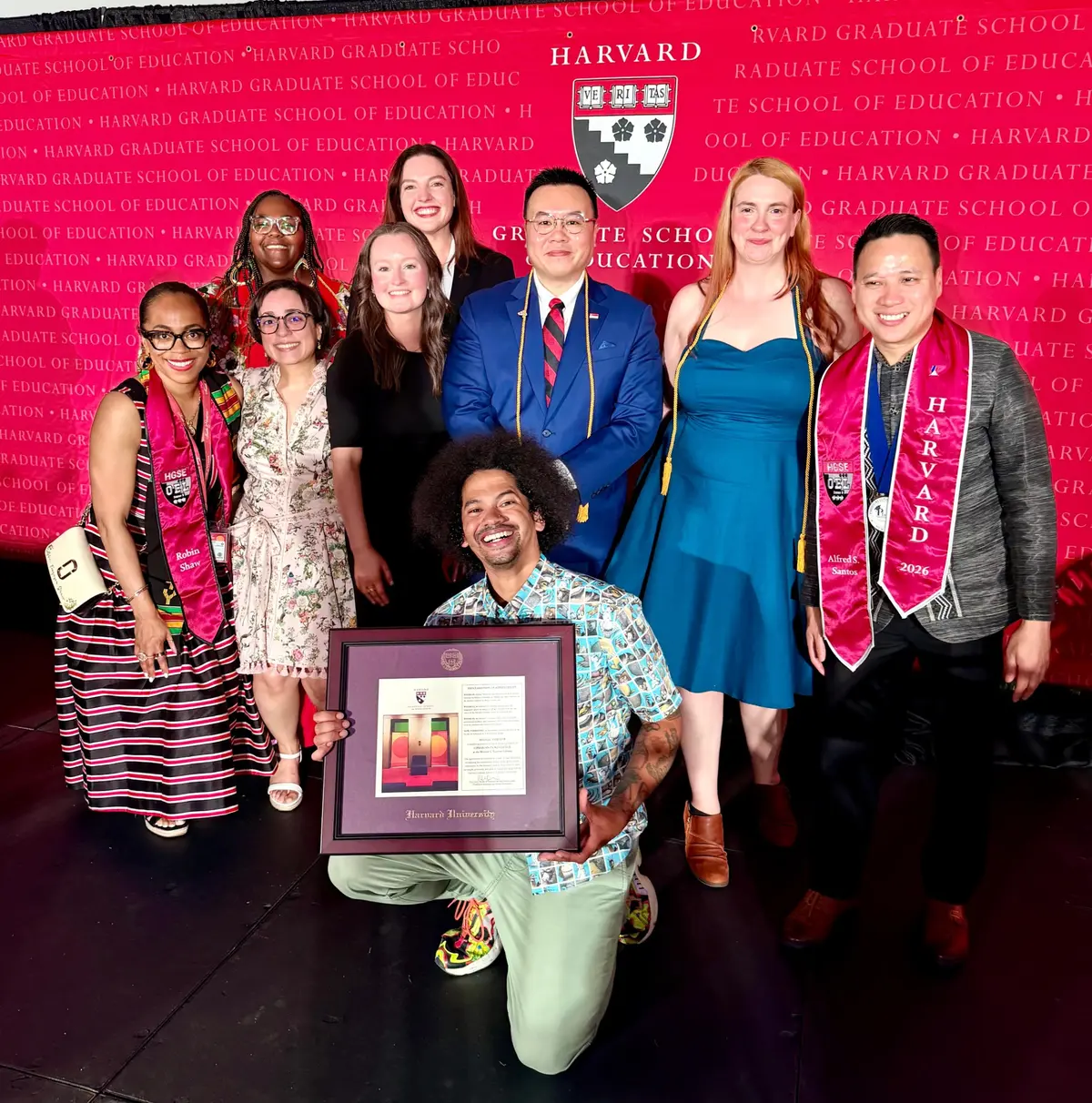
I was selected as one of three student speakers for the Harvard Graduate School of Education Convocation. My speech was about the practices that make room for people with full lives: attention, generosity, rigor, and the willingness to carry one another without pretending the carrying is effortless.
“One where attention is a form of care. One where making room is part of the work.”Read the full speech at Harvard ↗
Forward / 05
Good intentions need thoughtful decisions and sustained care.
I want to help institutions make good on their commitments to learning and public life. I bring experience setting program direction, working through funding decisions, supporting partnerships, aligning cross-functional teams, and using evidence to improve the work. I also bring the perspective of someone who has experienced educational systems from several sides: learner, transfer student, educator, researcher, and program leader.
Writing gives me another way to stay with a question. The Echo Jar is where I leave more room for uncertainty, wonder, and things I have not yet found a tidy way to explain.
See the work in practice →