Resource architecture
Co-defined the launch-resource page structure and identified the mission timeline, presentations, activities, toolkits, supporting resources, and event pathways hosts need.
Case / Field readiness
Roman Community Events turns a national mission milestone into shared local learning. My work helps facilitators find a clear entry point, choose what fits their setting, and host the science with confidence.
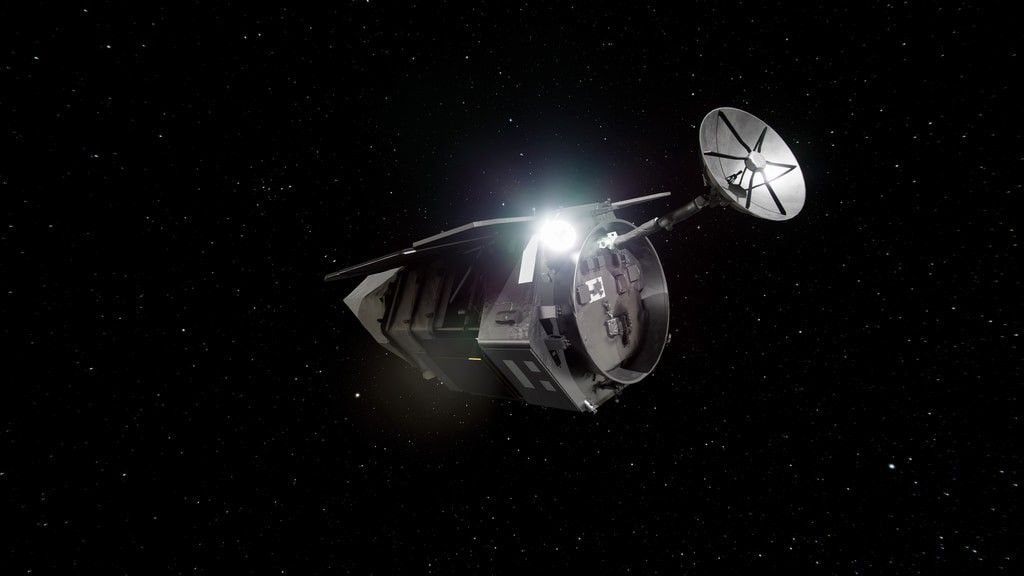
Roman’s August 30, 2026 launch gave audiences a real-time reason to connect with dark energy, exoplanets, galaxies, stars, and cosmic history. Community organizations still need a practical route into that science.
The challenge is not a lack of material. It is deciding what to use, how much to take on, and how to make a survey telescope tangible. The work began before launch: organize the resources, translate the mission into facilitator-ready pathways, recruit hosts across geographies, and build a participation model that can scale without asking every site to do everything.
I shape the resource architecture, audience-friendly explanations, and participation pathways that help partners build realistic programs.
Co-defined the launch-resource page structure and identified the mission timeline, presentations, activities, toolkits, supporting resources, and event pathways hosts need.
Developed a concise orientation that translates Roman into three ideas: wide views, high detail, and pattern-finding at scale.
Organized field-of-view, exoplanet, and expanding-universe entry points so hosts can choose one coherent experience instead of using every resource.
Presented launch-season supports to facilitator and professional audiences, gathering questions and resource gaps before events accelerated and carrying those questions forward after launch.
This is collaborative work across the Roman mission, NASA’s Universe of Learning, STScI, Goddard, and community partners. The page describes my documented contribution within that wider team.
03 / System
Field readiness improves when hosts can choose a coherent pathway rather than being handed an undifferentiated resource library.
Compare what telescopes can see at once and why wide surveys help scientists find patterns.
Explore detection methods, coronagraph technology, and Roman’s place in a larger observatory ecosystem.
Connect dark energy, cosmic scale, and the information carried by light.
Match the event format to what the host can sustain, from a small addition to a multi-part launch program.
04 / Evidence
Roman’s public story becomes more concrete when people can connect abstract mission capabilities to visible technology.
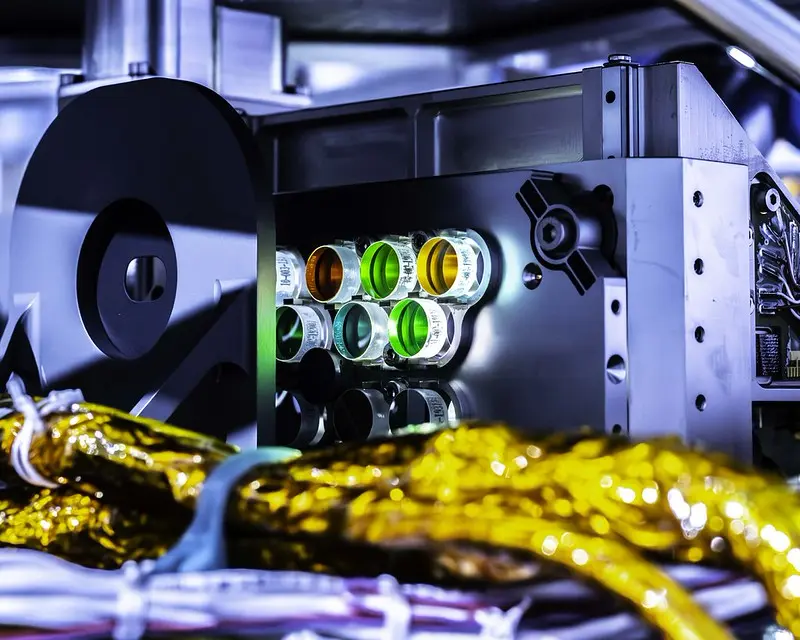
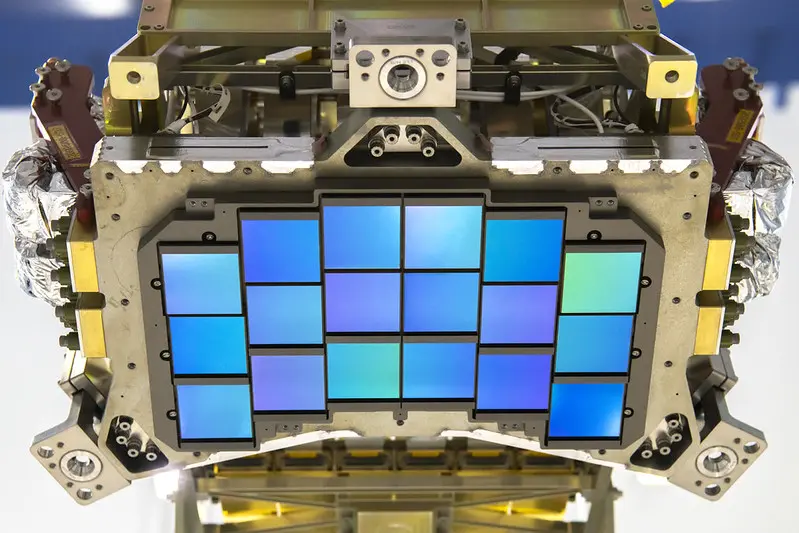
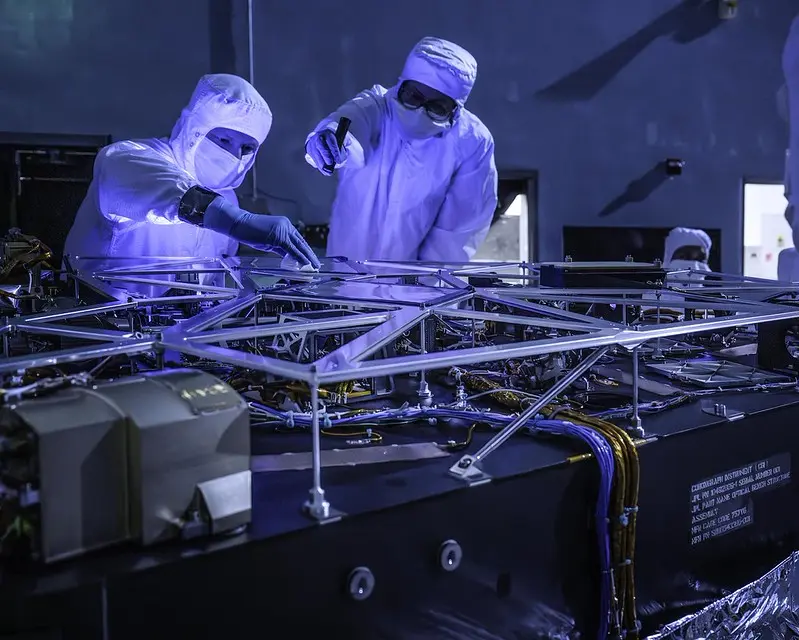
A Roman event can be a small addition to an existing program, a focused activity station, or a multi-part launch or post-launch celebration. All are valid when they fit the host and create a meaningful audience entry point.
Add Roman visuals, a comparison, or a talking point to an astronomy night, table, or existing program.
Host a Roman activity station, library program, museum-floor experience, or community talk.
Build a launch or First Look event with partners, multiple activities, speakers, and shared promotion.
The best format is the one the host can sustain and the audience can meaningfully enter.
06 / What travels forward
Webb proved the participation model. Roman is where I apply the learning with greater intention.
The resource hub, facilitator toolkit, event map, presentations, and partnership structure are not separate outputs. Together they form a support system that can leave local organizations with greater capability after the countdown ends.
Trace the Webb precedent →